The Enteric Nervous System and Emotional Memory
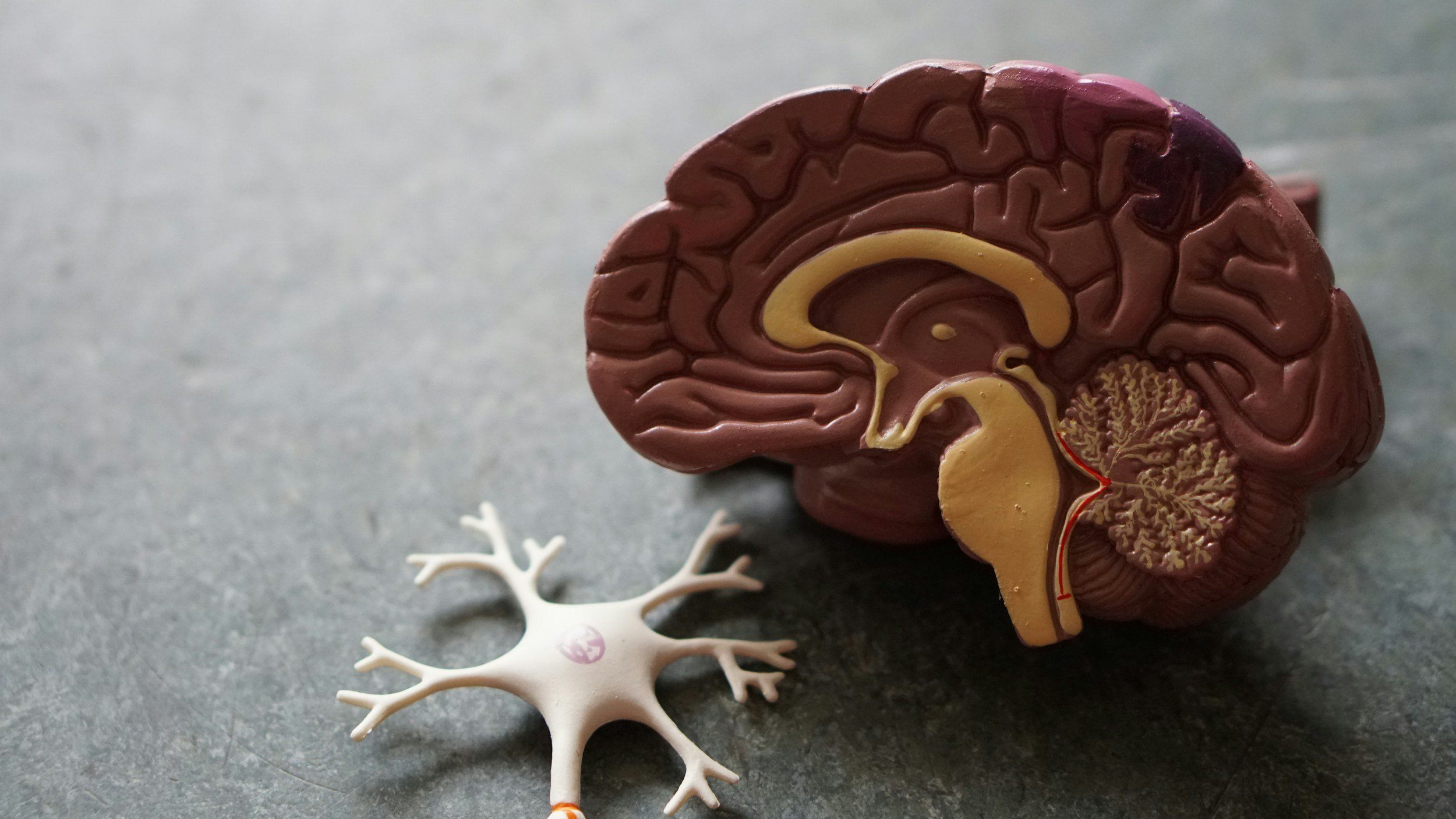
Research increasingly suggests that emotional experiences can influence gut function through neural, hormonal, and immune pathways.
The gut contains a rich network of receptors and communicates continuously with the limbic system — the brain’s emotional center.
This is why unresolved stress or trauma may present as digestive discomfort, altered motility, or heightened sensitivity. Similarly, when the body begins to feel safe and regulated, digestive patterns often improve.
In horses and other animals, we sometimes observe this connection through signs such as changes in appetite, gut sounds, tension through the abdomen, or behavioral shifts during periods of stress.
How Craniosacral Therapy Supports the Gut–Brain Connection
Craniosacral Therapy (CST) works by gently supporting the nervous system and encouraging a shift toward parasympathetic dominance — the physiological state associated with healing, digestion, and restoration.
Because the craniosacral system includes the membranes and fluid that surround and protect the brain and spinal cord, working with this system can influence the broader autonomic network, including the enteric nervous system.
Through subtle touch and attentive presence, CST may help:
Reduce overall nervous system tension
Support vagal tone and communication between brain and gut
Encourage relaxation of the diaphragm and abdominal tissues
Improve fluid dynamics within the body
Create conditions that allow the body to self-regulate
As the nervous system settles, the gut often responds with improved motility, reduced tension, and a sense of ease.
The Role of the Vagus Nerve
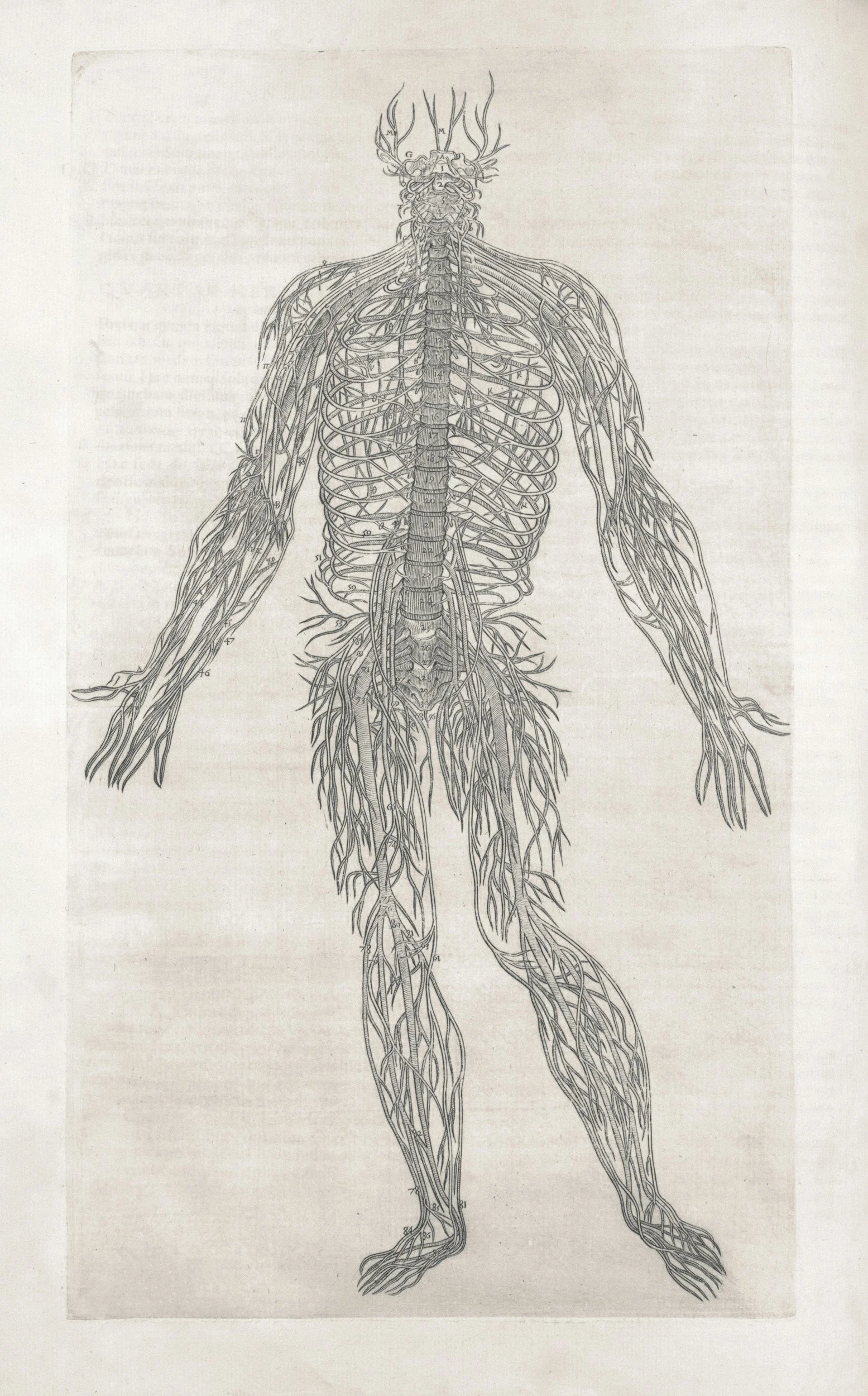
The vagus nerve serves as a primary communication pathway between the brain and the digestive tract. It plays a crucial role in regulating heart rate, breathing, and digestion, and is a key component of the parasympathetic nervous system.
Craniosacral Therapy frequently involves gentle work around areas associated with vagal influence — including the cranial base, neck, diaphragm, and sacrum. By supporting these regions, CST may help enhance vagal function, fostering a greater sense of safety and internal regulation.
Improved vagal tone is associated with calmer emotional states, better digestive function, and increased resilience to stress.
Observations in Practice
In both humans and animals, it is not uncommon to observe signs of enteric nervous system engagement during or after a Craniosacral session. These may include:
Audible digestive sounds
Softening of the abdomen
Deep sighing or relaxation
Release of held tension
Behavioral shifts toward calmness
These responses often reflect a shift into a more regulated state where the body can prioritize repair and integration.

Supporting Whole-Body Integration
The enteric nervous system reminds us that healing is not isolated to a single structure or symptom. Instead, it reflects the body’s remarkable ability to communicate across systems — nervous, digestive, immune, and emotional.
Craniosacral Therapy honors this interconnectedness by working with the body as a unified whole. Rather than forcing change, it creates space for the nervous system to reorganize, allowing natural rhythms to emerge and balance to be restored.
When the brain, gut, and body are in communication and feel safe, the conditions for healing naturally unfold.
A Gentle Invitation
Whether working with people or animals, recognizing the role of the enteric nervous system deepens our understanding of how stress, environment, and experience shape physical and emotional health. Supporting the nervous system through gentle, integrative approaches can help foster resilience, comfort, and a return to ease.