
Frequently Asked Questions
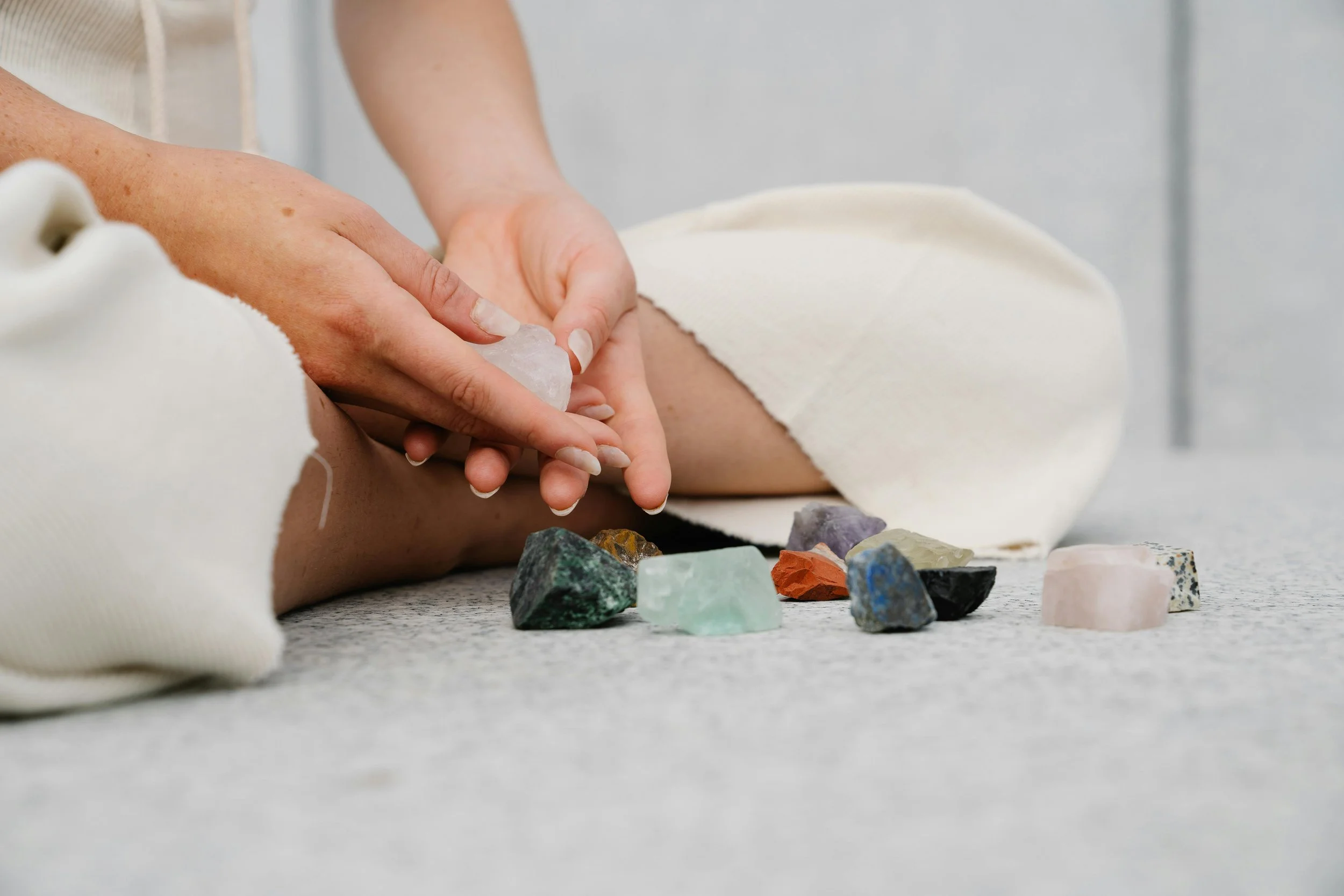
Human Service Questions
-
No. Sessions may include craniosacral therapy alone or an integrated combination of CST and Reiki, depending on your preferences and what your body needs during the session.
-
Preparation is simple. Wear comfortable clothing that allows you to relax fully. You may wish to hydrate well beforehand and avoid scheduling anything immediately after your session so you have space to integrate. Most importantly, come as you are — there is no need to prepare in a special way. Sessions are guided by your body’s pace and what feels safe and supportive for you.
-
Yes. All sessions are trauma-informed, consent-based, and guided by the nervous system. Touch is gentle, pacing is slow, and you remain in control throughout the session.
-
Frequency varies depending on your goals, current stress levels, and what your nervous system is navigating. Some individuals benefit from a series of sessions closer together to support regulation, while others choose ongoing care for maintenance and integration. We will discuss a plan that feels supportive, sustainable, and aligned with your needs.
-
Craniosacral Therapy and Reiki are both gentle modalities, and most people feel deeply relaxed afterward. Occasionally, you may notice mild tenderness, fatigue, or subtle shifts as your body integrates the work. These responses are typically temporary and part of the nervous system recalibrating toward balance.
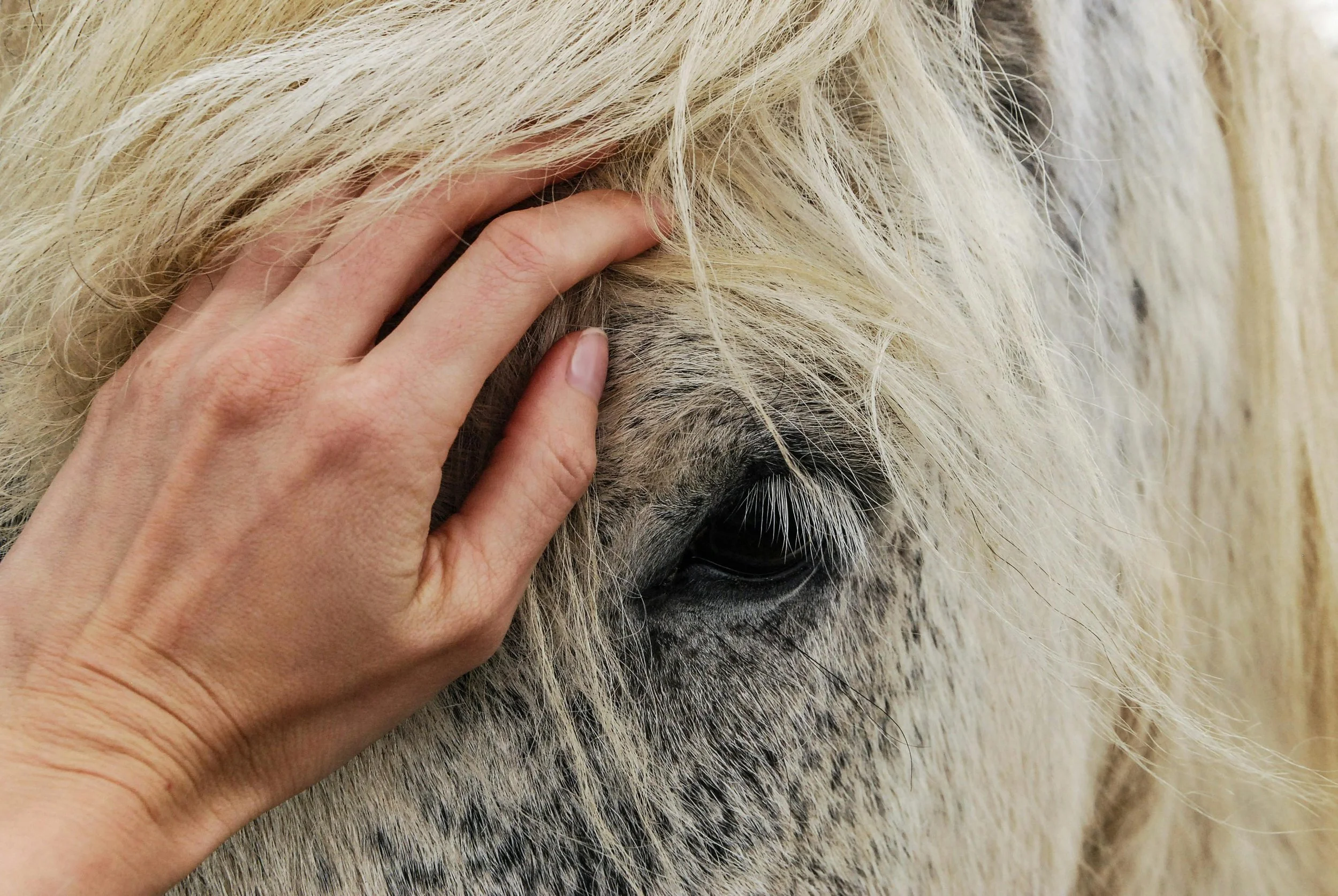
Equine Service Questions
-
Some common signs include stiffness, resistance under saddle, uneven gaits, girthiness, or just seeming “off.” Even subtle changes in attitude or performance can indicate physical discomfort. Bodywork is also great as regular maintenance to help prevent injuries and support overall wellness.
-
Please have your horse clean and dry, in a safe, quiet area where we can work without distraction. A flat area with good footing (like a barn aisle, wash rack, or stall) is ideal. If possible, avoid scheduling other services (like the farrier or vet) at the same time.
-
Yes, or someone who knows your horse well should be present. I’ll need to ask a few questions about your horse’s history, habits, and any areas of concern before we get started.
-
Equine sessions take place at the horse’s barn and are paced entirely by the horse. Session length varies based on tolerance, regulation, and responsiveness.
-
No. Animal bodywork does not replace veterinary diagnosis or treatment. It works best as supportive care alongside veterinarians and trainers.
-
Absolutely. Bodywork is not a replacement for veterinary care, but it’s a powerful support tool. I’m always happy to collaborate with your vet, chiropractor, farrier, or trainer to provide well-rounded care for your horse.
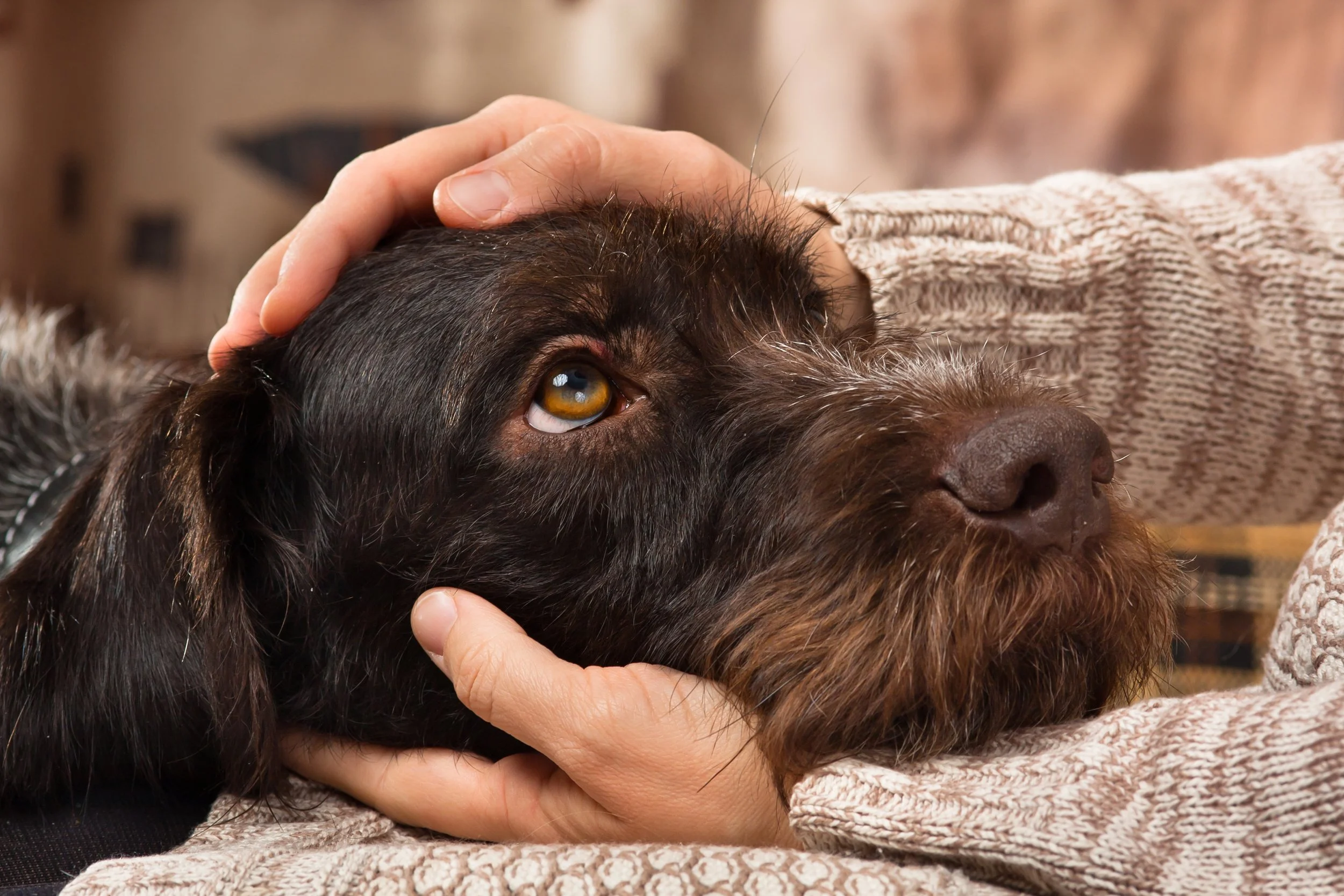
Canine Service Questions
-
Sessions are tailored to your dog’s individual needs and may include Craniosacral Therapy, Cold Laser, ANMR, or Kinesiology Taping. Each approach is selected based on comfort, presentation, and overall goals.
-
Canine bodywork may support dogs experiencing stiffness, injury recovery, anxiety, mobility changes, post-surgical healing, compensation patterns, or nervous system dysregulation. Sessions focus on promoting balance and ease rather than treating specific diagnoses.
-
Ensure your dog has had an opportunity to potty beforehand and avoid scheduling strenuous activity immediately before the appointment. A calm environment and a familiar handler present can help your dog feel safe and relaxed.
-
No. Sessions are guided by your dog’s comfort and consent. Some dogs lie down and relax deeply, while others prefer to stand or move around. We follow their pace.
-
Frequency depends on your dog’s needs and goals. Some benefit from a short series of sessions for acute concerns, while others receive periodic maintenance support.
-
Most dogs appear relaxed or sleepy after a session. Occasionally, mild fatigue or temporary tenderness may occur as the body integrates the work, but this typically resolves quickly.